How Weather Exposure Affects Masonry Wall Integrity
To address how weather exposure affects masonry wall integrity, local contractors can assess, repair, and strengthen walls damaged by moisture, temperature changes, and other environmental factors.
Understanding how weather exposure affects masonry wall integrity is essential for property owners looking to maintain the safety and appearance of their buildings. Exposure to elements like rain, snow, freeze-thaw cycles, and temperature fluctuations can cause mortar deterioration, cracking, and even structural weakening over time. For those managing properties in areas prone to varied weather patterns, staying informed about these impacts can help in making proactive decisions to preserve the longevity of masonry walls and prevent costly repairs down the line.
Local contractors specializing in masonry wall repair have the experience and skills to address weather-related damage effectively. Recognizing signs of weather-induced deterioration early can save property owners from more extensive issues later. Whether it’s sealing cracks, repointing mortar, or reinforcing compromised sections, these service providers can help ensure masonry walls remain strong and resilient against ongoing weather exposure. Keep reading to learn more about how weather influences masonry integrity and how local experts can assist in safeguarding valuable structures.
- Masonry Wall Repair - homeowners noticing cracks or deterioration due to weather exposure can rely on local contractors to assess and restore wall integrity.
- Masonry Wall Repair - after heavy rain or freeze-thaw cycles weaken masonry, local pros provide targeted repairs to prevent further damage.
- Masonry Wall Repair - when salt or moisture buildup causes efflorescence or surface spalling, local service providers address these weather-related issues effectively.
- Masonry Wall Repair - in cases of mortar joint deterioration from fluctuating temperatures, local contractors perform repointing to reinforce the wall.
- Masonry Wall Repair - if weather exposure leads to bulging or leaning walls, local pros can evaluate and implement necessary structural repairs.
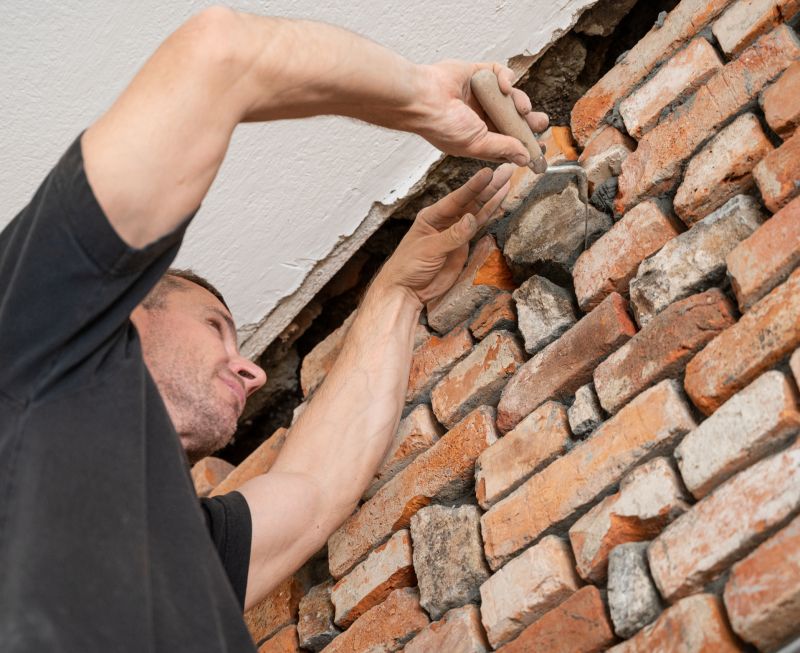
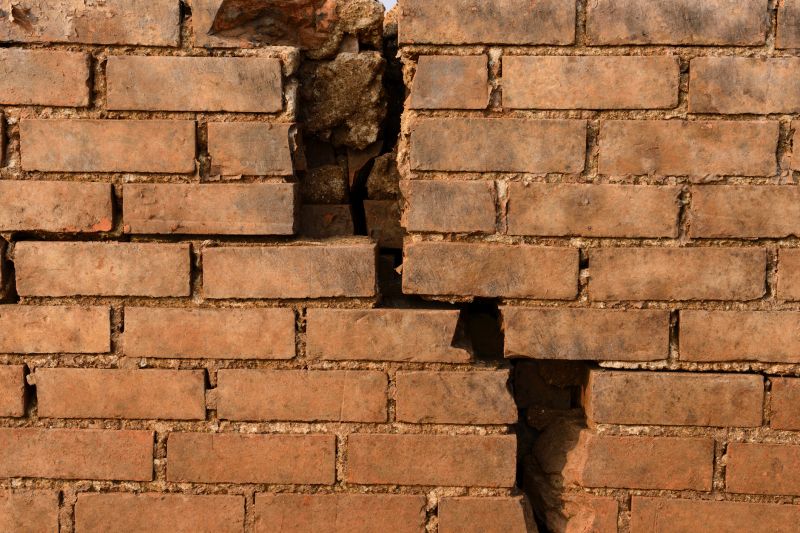
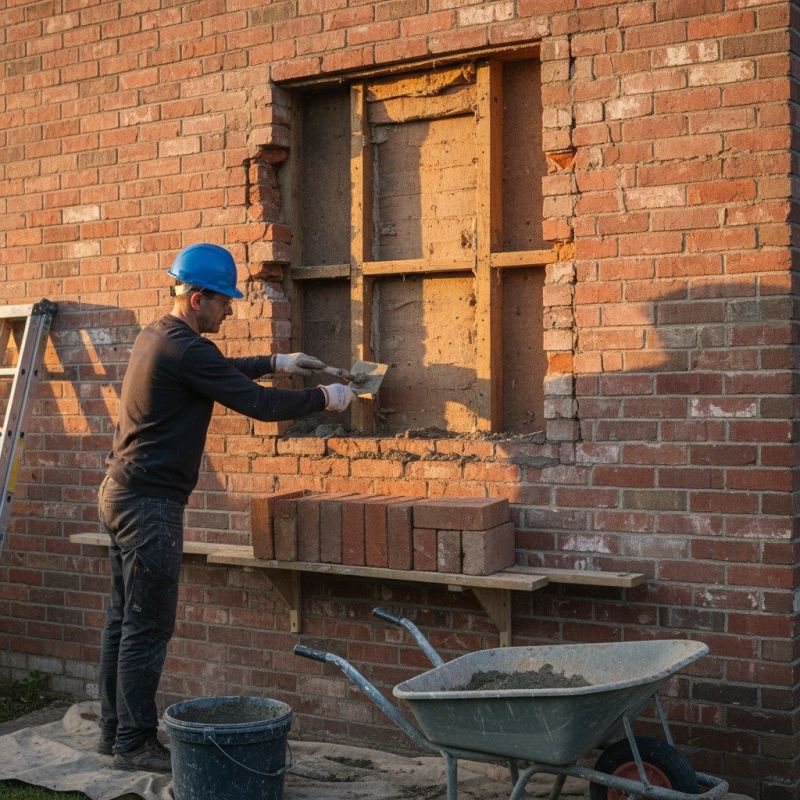
When people search for how weather exposure affects masonry wall integrity, they are typically looking to understand how outdoor elements like rain, snow, wind, and temperature fluctuations can impact the strength and stability of brick, stone, or concrete walls. This concern often arises when homeowners notice cracks, crumbling mortar, or signs of deterioration on exterior walls. The focus is on identifying whether weather conditions are contributing to the weakening of the masonry and learning how to prevent further damage. Understanding these effects helps property owners plan appropriate repairs or maintenance to preserve the structural soundness of their walls.
This topic is closely related to common problems such as water infiltration, freeze-thaw damage, and mortar deterioration. These issues can compromise the wall’s ability to withstand environmental stress, leading to safety concerns or costly repairs if left unaddressed. Many property owners consider repair or reinforcement projects, especially after experiencing severe weather events or noticing early signs of damage. Knowing how weather exposure influences masonry helps in planning effective solutions, whether that involves sealing cracks, replacing damaged mortar, or applying protective coatings to extend the lifespan of the wall.
Properties that typically come up in discussions about weather-related masonry issues are often older homes, historic buildings, or structures located in regions with significant seasonal changes. Residential properties with exterior brick or stone facades are common examples, as are commercial buildings with masonry walls. Even fences and retaining walls made of masonry can be affected by weather exposure over time. These structures are vulnerable to weather-related wear, making it important to work with local contractors experienced in masonry repair and weatherproofing to address issues before they worsen.
Understanding how weather exposure affects masonry wall integrity connects directly to planning repairs and maintenance projects. Homeowners or property managers often seek the expertise of local masonry wall repair service providers to assess damage and recommend appropriate solutions. These professionals can evaluate the extent of weather-related deterioration, recommend repairs such as repointing or sealing, and help implement protective measures. Connecting with experienced service providers ensures that masonry walls are properly maintained and restored, reducing the risk of future weather-related damage and preserving the property’s structural integrity.
Historical Building Restoration - restoring historic masonry structures requires understanding weather-related deterioration and using specialized repair techniques, similar to addressing masonry wall integrity issues caused by weather exposure.
Waterproofing and Sealant Application - applying waterproofing treatments involves planning and tools that are also used to prevent water damage and improve the durability of masonry walls.
Brick and Stone Masonry Construction - constructing new brick or stone structures involves skills in material selection and weather considerations that are relevant to maintaining wall integrity in existing masonry.
Structural Reinforcement Projects - adding support to compromised masonry walls requires assessment and planning skills comparable to those needed for managing weather-related damage.
Water Damage and Leak Repair - fixing leaks and water intrusion issues involves similar techniques to mitigate weather exposure effects on masonry walls and prevent further deterioration.
Exterior Wall Restoration - restoring and maintaining exterior masonry surfaces involves planning and skill sets aligned with addressing weather-induced damage to wall integrity.
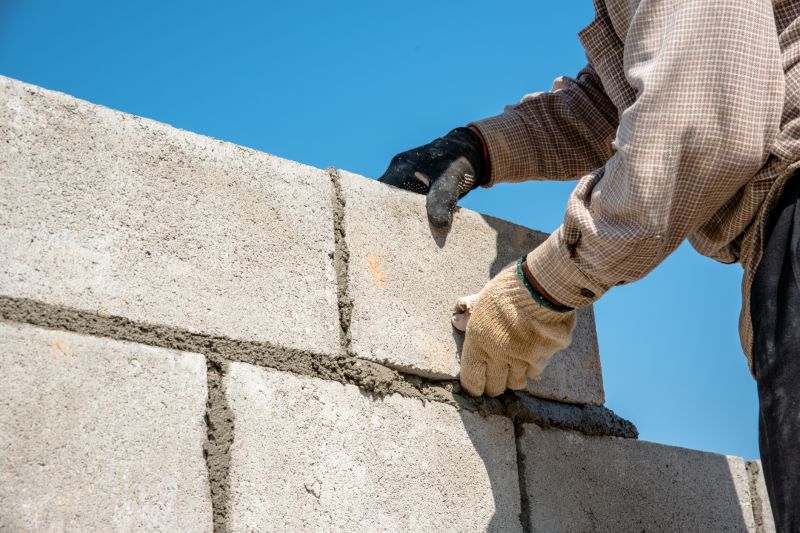
When evaluating masonry wall repair services, it is important to consider the experience of local contractors with projects similar to your own. Masonry work can be complex, especially when addressing issues caused by weather exposure, such as cracking, spalling, or deterioration. Service providers with a proven track record in handling weather-related masonry concerns are more likely to understand the unique challenges posed by your environment. Asking for examples of past projects or references can provide insight into their familiarity with weather-related impacts and their ability to deliver durable repairs that stand up to local conditions.
Clear written expectations are essential to ensure that both homeowners and service providers are aligned on the scope of work and the anticipated results. When comparing local contractors, it’s helpful to review detailed proposals or estimates that outline the specific repair methods, materials to be used, and any necessary preparatory work. This transparency can prevent misunderstandings and help homeowners gauge whether the service provider’s approach aligns with their needs for addressing weather exposure effects on masonry walls.
Effective communication plays a crucial role in the success of masonry repair projects. Homeowners should seek service providers who are responsive, willing to answer questions, and able to explain their recommended solutions in understandable terms. Good communication ensures that expectations are managed throughout the process and that any concerns about how weather exposure impacts masonry wall integrity are addressed promptly. Choosing local contractors known for their professionalism and clarity can contribute to a smoother repair experience and a more resilient masonry structure.
Property owners often search for how weather exposure affects masonry wall integrity when they are planning practical projects around their homes and businesses. Local pros provide Masonry Wall Repair services for everyday jobs and straightforward project options.
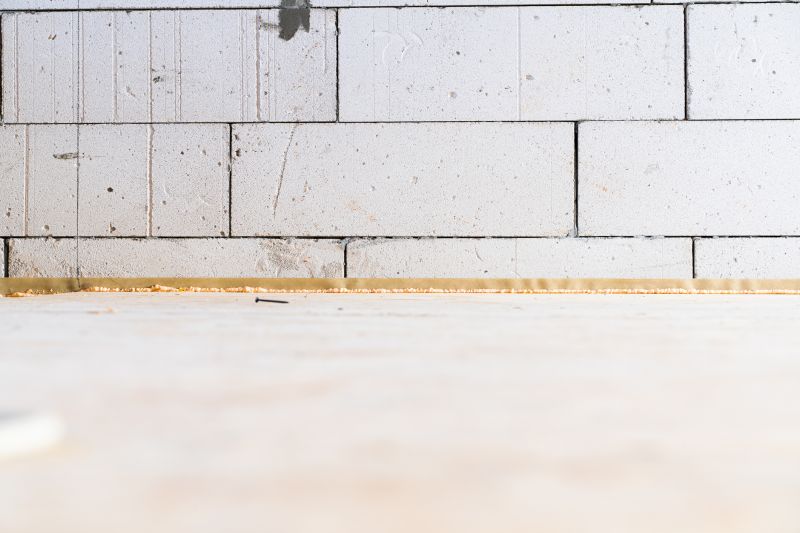
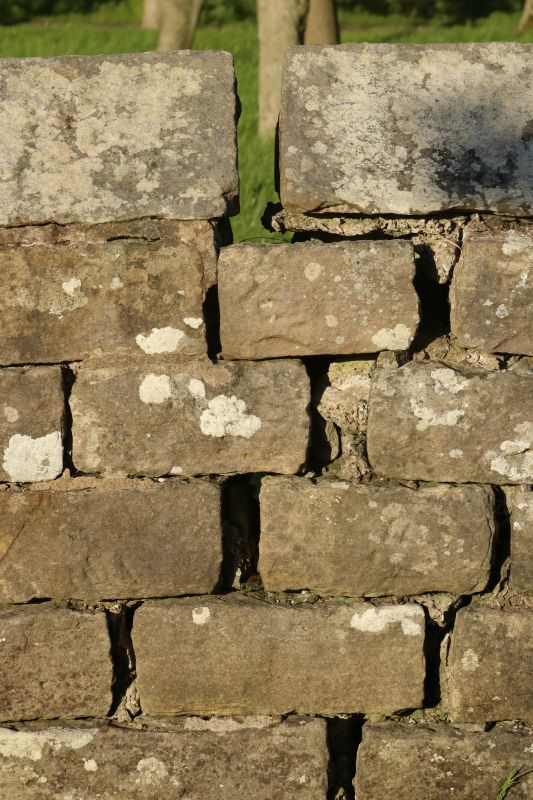
Weather exposure plays a significant role in the long-term stability of masonry walls, especially in areas where temperature fluctuations, rain, and snow are common. Over time, moisture can seep into cracks or porous surfaces, leading to freeze-thaw cycles that cause the material to weaken or spall. Additionally, repeated wetting and drying can accelerate deterioration, making walls more vulnerable to structural issues. Property owners noticing signs like cracking, crumbling mortar, or shifting bricks often seek the expertise of local contractors who specialize in masonry wall repair to address these weather-related effects and maintain the integrity of their structures.
Understanding how weather exposure impacts masonry wall integrity helps property owners make informed decisions about repairs and preventative measures. Local service providers can assess the specific conditions affecting a property and recommend appropriate solutions, such as sealing cracks or reinforcing weakened areas. Regular inspections and timely repairs by experienced contractors can prevent minor weather-related damage from developing into more serious problems, ensuring that masonry walls remain durable and safe despite ongoing exposure to the elements.
How does weather exposure impact masonry wall integrity? Weather exposure can cause masonry walls to deteriorate over time through processes like freeze-thaw damage, moisture infiltration, and erosion, which may lead to cracks, spalling, or weakening of the structure. Local contractors experienced in masonry repair can assess and address these issues to restore wall stability.
What weather-related factors should be considered when repairing masonry walls? Factors such as moisture levels, temperature fluctuations, and precipitation patterns influence the extent of damage and the best repair methods. Skilled service providers can evaluate these conditions to recommend appropriate solutions.
Can weather exposure cause long-term damage to masonry walls? Yes, continuous exposure to weather elements can lead to long-term issues like mortar deterioration, efflorescence, and structural weakening. Local masonry repair experts can identify early signs of damage and perform necessary repairs to prevent further deterioration.
How do local pros handle weather-related damage during masonry repairs? They use techniques and materials suited for weather conditions, such as waterproofing treatments and weather-resistant mortar, to ensure repairs withstand future weather exposure and maintain wall integrity.
Is weather exposure a common cause of masonry wall failure? Yes, weather exposure is a common factor contributing to masonry wall failure, especially in areas with harsh or fluctuating weather patterns. Professional masonry repair services can effectively address weather-related issues to prolong the life of the wall.
Assessing weather impact - property owners can evaluate how seasonal changes and weather patterns may have affected their masonry walls, helping them plan appropriate repairs with local contractors.
Sealing and waterproofing - applying sealants or waterproof coatings can protect masonry from moisture infiltration caused by rain or snow, with local pros providing expert application.
Addressing cracks and deterioration - identifying and repairing cracks early can prevent further weather-related damage, making it easier for local service providers to restore wall integrity.
Implementing protective measures - installing barriers or weather-resistant features can shield masonry walls from ongoing weather exposure, with local contractors helping to enhance durability.
If you are thinking about how weather exposure affects masonry wall integrity for a property, this guide is meant to help you understand this topic, the typical project types, and how different options might fit your plans.
When you are ready, you can use the quote form on this page to share a few details about your project. From there, local pros can review the basics and follow up with options that match what you have in mind.